Sleep & tension
For visitors wishing to discuss disrupted sleep or recurring tension.
Care begins with a thoughtful assessment.
Individual wellbeing care, beginning with Sasang constitution consultation and fNIRS assessment
Explore your constitution. Understand your wellbeing.
Assessment and consultation: approximately 30 minutes
Plan your visitYour tendencies. Your present health.
Stress can affect sleep, digestion and energy differently from person to person.
This program brings together Sasang constitution consultation, fNIRS assessment and a Korean medical examination. A specialist in Korean Internal Medicine considers your symptoms and daily life to discuss appropriate care and practical guidance for sleep, meals and activity.
For visitors wishing to discuss disrupted sleep or recurring tension.
For those who want to explore persistent tiredness alongside their daily habits.
For people curious about how their body responds to stress and changes in routine.
For visitors interested in Sasang constitution consultation, an fNIRS assessment and individualized lifestyle guidance.
From conversation to follow-up
Discuss your main concerns, sleep, meals and activity.
Review your health history and recurring responses to explore constitutional tendencies.
After history-taking and examination confirm suitability, fNIRS is the standard assessment in this program. The clinician considers brain activity, separate HRV outputs and questionnaire findings within the Mind Speak system.
Consider the consultation, assessment and current symptoms together.
Agree on practical daily habits and any appropriate treatment options.
Review changes in symptoms and daily life. Repeat testing is considered only when clinically useful.
Not every test is performed for every patient. In this program, fNIRS is the standard assessment after history-taking and examination establish suitability.
Assessment in context
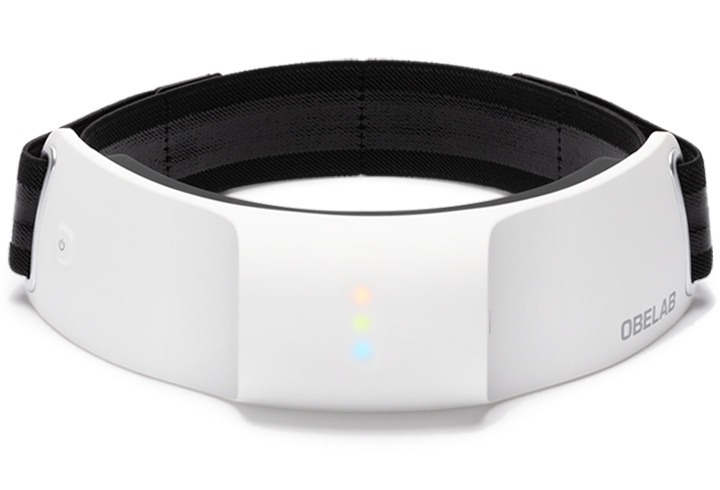
fNIRS uses near-infrared light to observe changes in blood oxygenation in the measured area. It supports consultation and examination; it does not determine constitution or diagnose a condition on its own.
The Mind Speak system provides task-related brain activity and persistence, separate heart rate variability (HRV) outputs, and psychological questionnaire results. These inform discussion of mental fatigue and stress-related concerns. HRV concerns variations in heartbeat intervals; it is distinct from optical fNIRS brain measurement.
Findings are considered together with symptoms, medical history, medicines and examination. Changes in repeat-test values alone do not demonstrate treatment benefit.
Read about assessmentCare that considers your daily life
We consider your symptoms and routines, and plan a way forward together.
Review your bedtime, waking time and opportunities to rest.
Discuss meal timing, digestive symptoms, caffeine and alcohol habits.
Consider work-related tension, movement and recovery time.
Treatment decisions consider your current symptoms, medical history, medicines and examination findings. If acupuncture, herbal medicine or other care is appropriate, the clinician explains the options. Consultation and lifestyle guidance alone may be sufficient.
A constitution type or test score does not automatically determine an herbal or pharmacopuncture prescription. Long-term treatment and herbal purchases are not required for short-term visitors.
FAQ
No. Constitution consultation considers your history, recurring responses and Korean medical examination. fNIRS does not determine your constitution.
No. fNIRS is the standard assessment after suitability is checked. Other tests are not automatically added. If measurement is difficult, the clinician will discuss whether to proceed or consider an alternative.
Not on their own. Findings are interpreted alongside your symptoms, medical history, medicines and clinical examination.
No. Consultation and lifestyle guidance may be sufficient. If treatment is appropriate, the clinician explains the options. A constitution type or score does not automatically determine a prescription.
Not necessarily. Tell us how long you will be in Korea. Long-term treatment and herbal purchases are not assumed or required. Repeat testing depends on clinical need, and score changes alone do not demonstrate treatment benefit.
Bring a list of medicines and supplements and any relevant recent health records. Contact the clinic to discuss your visit and the language assistance you need.
Appointments & enquiries
Tell us you are interested in the Constitution & Wellbeing Program and how long you will be in Seoul. Contact us before visiting to discuss your language needs and the arrangements for your consultation.
4F, Hyodeok Building, 51 Namdaemun-ro 9-gil, Jung-gu, Seoul
Monday–Friday 10:00–19:00 · Lunch 14:00–15:00
Saturday 10:00–14:00 · Closed Sundays and public holidays